About Us
Lorem ipsum dolor sit amet, consectetur elit, sed do eiusmod tempor incididunt ut labore et magna aliqua. Ut enim ad minim veniam laboris.
Get a free quote



Program Details

Gender Equity and Social Inclusion
Gender Equity and Social Inclusion
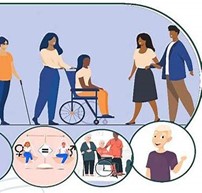
Introduction: Gender equity and social inclusion
are important concepts that aim to create a more just and equitable society by
addressing inequalities based on gender, ethnicity, social class, disability,
and other identities. Here’s an overview of both concepts. Gender equity refers
to the fair treatment of individuals regardless of their gender, often acknowledging
that different genders may require different resources and opportunities to
achieve equal outcomes. Social inclusion refers to the process by which
marginalized individuals or groups are integrated into the wider society, with
the aim of ensuring that everyone has the opportunity to participate fully in
social, economic, and cultural activities.
Principles:
- Equal
Access:
Ensuring all genders have access to resources, opportunities, and
services.
- Equal
Participation:
Promoting involvement of all genders in decision-making processes at all
levels.
- Equal
Outcomes:
Recognizing and addressing the barriers that result in unequal outcomes
for different genders, with the aim of achieving specific equality in
life chances.
- Diversity
and Respect:
Valuing and respecting diversity in society, and recognizing the unique
contributions of different groups.
- Access
and Opportunity:
Ensuring equitable access to resources, services, and opportunities for
marginalized groups.
- Empowerment: Encouraging and facilitating
the empowerment of marginalized individuals and communities to advocate
for their rights and interests.