



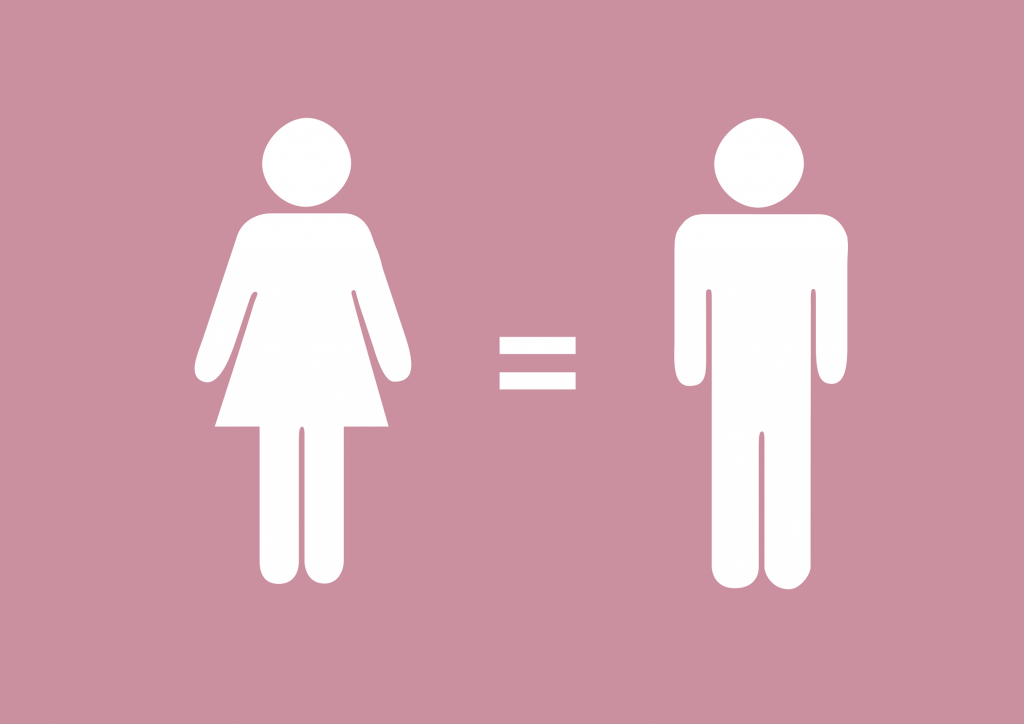
Gender equality is more than just a goal—it’s a necessity for creating a thriving, progressive society. In Bangladesh, where cultural traditions and economic challenges intertwine, promoting gender equality is essential for building a more just and prosperous future. Here’s why gender equality matters so much in our nation.
Empowering Women to Drive Economic Growth
Bangladesh has witnessed remarkable economic progress in recent decades, largely due to sectors like ready-made garments and small-scale entrepreneurship. However, the full potential of the workforce remains untapped if women are not given equal opportunities. When women have access to education, training, and employment, they contribute not only to their families but also to the national economy. Empowered women tend to invest back into their communities, leading to broader social and economic benefits, including poverty reduction and improved standards of living.
Breaking Down Social Barriers
In many parts of Bangladesh, traditional gender roles continue to limit opportunities for women and girls. These limitations can restrict women’s participation in education, politics, and decision-making processes. Challenging these norms is critical because gender equality transforms communities. When girls are encouraged to pursue education and professional ambitions, they become role models who inspire future generations. This cycle of empowerment fosters a culture where everyone’s abilities are recognized and valued, regardless of gender.
Enhancing Quality of Life
Gender equality directly affects the quality of life for individuals and communities. In households where both men and women share responsibilities and decision-making power, there is often better management of resources, improved health outcomes, and enhanced educational opportunities for children. Studies have shown that when women are involved in community planning and governance, policies tend to address issues such as healthcare, education, and social welfare more effectively. In this way, gender equality leads to a more inclusive society where everyone benefits from improved social services and support networks.
Promoting Peace and Stability
Equal representation in political and social spheres can lead to more peaceful and resilient communities. In Bangladesh, empowering women in leadership positions has been linked with better conflict resolution and community cohesion. When both genders contribute to public discourse, policies become more comprehensive and reflective of the needs of the entire population. This inclusive approach is vital for long-term peace and stability, ensuring that decisions are made in the best interests of all citizens.
Advancing Human Rights
At its core, gender equality is a human rights issue. Every individual, regardless of gender, has the right to live with dignity, to pursue their dreams, and to participate fully in society. In Bangladesh, where historical and cultural practices have sometimes curtailed women’s rights, advancing gender equality is crucial to ensuring justice and fairness. This not only benefits women but also enriches the entire nation by tapping into a broader spectrum of talent and perspective.
The Road Ahead
While Bangladesh has made significant strides towards gender equality, challenges remain. Issues such as gender-based violence, limited access to quality education for girls in rural areas, and disparities in political representation still need to be addressed. Government initiatives, non-governmental organizations, community leaders, and international partners must continue working together to create policies and programs that promote equal opportunities for all.
Efforts such as improving educational facilities, ensuring equal pay for equal work, and providing support for female entrepreneurs are key steps forward. Additionally, changing societal perceptions through awareness campaigns and inclusive dialogue can help dismantle the deep-rooted biases that impede progress.
Conclusion
Gender equality is not merely an abstract ideal—it is a practical necessity that underpins economic growth, social well-being, and human rights. In Bangladesh, embracing gender equality can lead to transformative changes that benefit every sector of society. By ensuring that both men and women have equal opportunities to succeed, we lay the foundation for a future that is not only more just and equitable but also more dynamic and prosperous. As Bangladesh continues on its journey of development, gender equality remains a critical pillar for sustainable progress and a beacon of hope for generations to come.
